About the Author
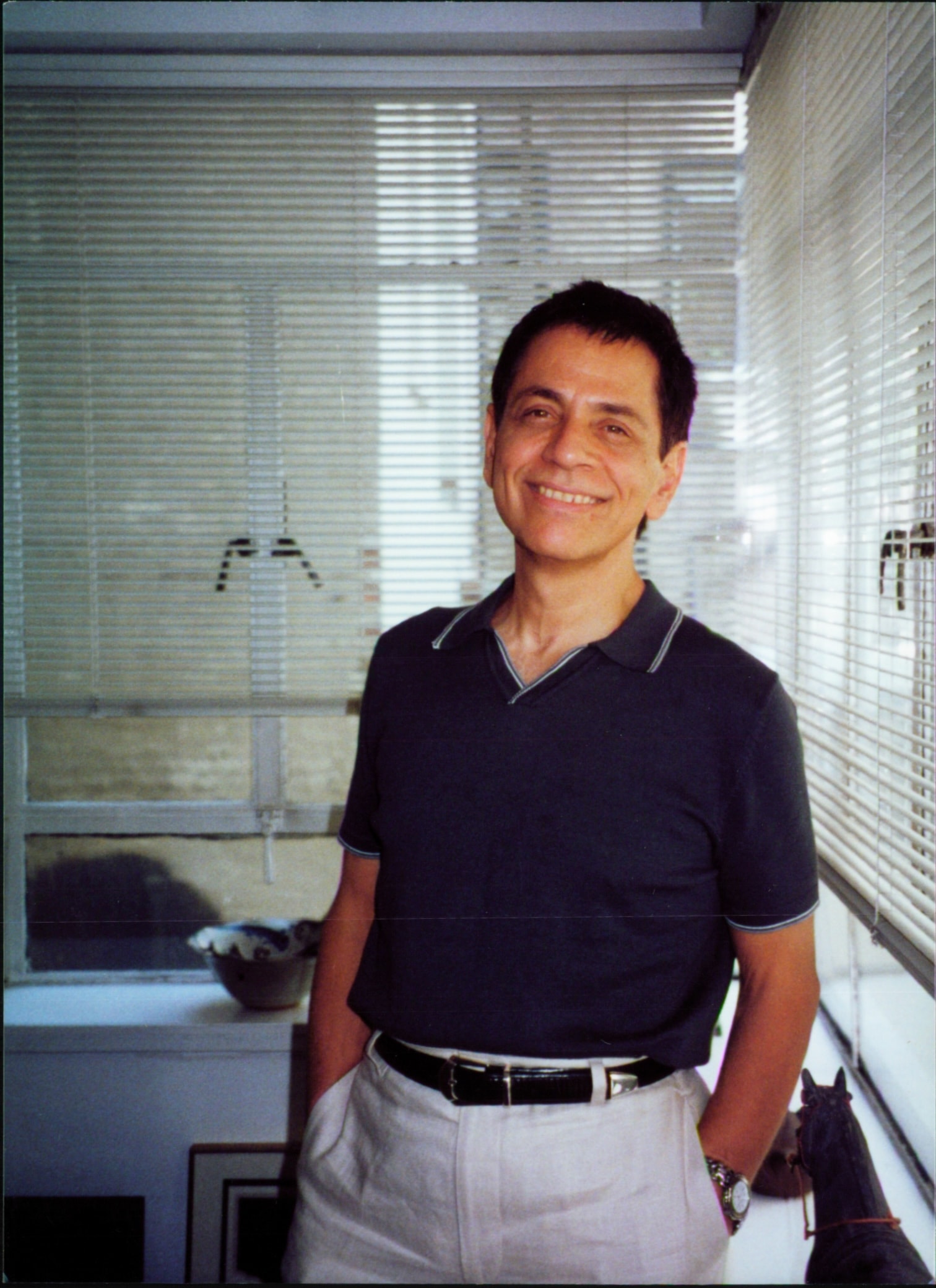
Nick DeMartino
I grew up an Army brat, moving every few years, never quite belonging anywhere. That kind of rootless life was difficult, often lonely. But exciting, the foundation for my life-to-be as a journalist, an organizer, a perpetual early adopter — always arriving somewhere as something new was beginning.
In May 1970 I landed in Washington, D.C., a twenty-three-year-old college grad and journalist from Louisville in love with the lefty politics of the time, a key qualification as I joined a radicalized group of editors at the U.S. Student Press Association. It was what we lovingly called Weatherman Summer, the most violent period in the history of the movement, leading up to Mayday 1971 when we shut down the city of Washington. During which I met the first man I ever slept with, and my life took another turn, as the post-Stonewall gay movement went into high gear and high diva. It was a wild and wonderful time. Simultaneously, I’d discovered the emerging world of PortaPak street video and public access cable TV, which would form the backbone of my career through the decade. I came into all this to start a revolution and wound up building a career.
I co-founded one of the country’s first community video centers, moved into documentary production, wrote influential reports and two books for the Carnegie Commission on the Future of Public Broadcasting, and built a consulting and production business in the brave new world of multichannel media.
Throughout, I wallowed in the unparalleled freedom to explore my sexuality, which I enhanced with a startling amount of alcohol and drugs, commonplace at the time. I learned how difficult it was to turn erotic encounters into anything lasting, though I kept trying (mostly but not always with men). When I was about to turn 25 my father died suddenly and I was devastated, especially because I’d not yet worked up the nerve to come out to my parents as gay. Learning later that he had also been with men, the loss and confusion fueled hours in therapy and damaged my ability to trust and love.
My role in the video movement leveraged the skills I’d learned as the perpetual newcomer growing up. My focus was less about making great video (and later film), though I kept trying, and more about organizing different groups to realize the power of the new medium. Neighborhood activists could use video to pressure government officials to take action. Video groups could band together to demand funding and access. Influencers could act as one to pass laws benefiting the many, not the few.
Without knowing it, we PortaPak guerrillas of the early 1970s were writing the origin story of the coming digital media revolution — people-powered, decentralized, built on the conviction that ordinary people deserved to tell their own stories. I spent the rest of my life after this memoir ends living out that conviction: co-founding the AFL-CIO’s media arm in the 1980s, then twenty years at the American Film Institute, where I helped lead Hollywood through the digital transformation as Senior Vice President for Media and Technology. Later I advised creative startups, accelerators, and immersive media programs from California to Toronto to London. In many ways, this phase of my career continued my deeply rooted need to organize, to bring people together to craft a common vision and impactful strategy.
I got sober in 1994. That changed everything — not just the obvious things. I became willing to sit still, to look back, to try to understand what I’d actually been doing all those years. I did a lot of work on myself, using 12-step fellowships, Buddhist meditation, men’s self-help groups like Body Electric, and a loyal cohort of friends and occasional lovers. In the early 2000s, with my AFI success secure, I found my way to a writing workshop, then another, and many more, where I found my authorial voice (emotional, snarky, often funny). It took nearly twenty-five years before I was ready to do much about my writing.
The COVID pandemic is what did it, disrupting my consulting business and giving me free time. A friend’s death led me to a mutual friend, Tom Daley, and his online memoir workshop. I produced 1,250 words every week for over two years, then shifted my collaborative efforts to a writing group in which three gay men share ten pages biweekly. The rough first draft was nearly 500 pages. My lord! The final manuscript — with excerpts on this site — landed at less than 300. That editorial process is a topic for another day.
MY SEVENTIES: A Memoir of Sex, Drugs and Videotape is the story of the decade that made me — told by a man in his seventies who is still figuring out what it all meant.
I live in Burbank, California. In addition to the memoir, I’ve been writing short creative nonfiction — flash pieces and micro essays that keep surprising me with what they turn up. Three stories are forthcoming in BULL, with more to come.
This site is where I document the writing life: the memoir, the short fiction, and a blog that goes behind the scenes of how memory becomes prose.
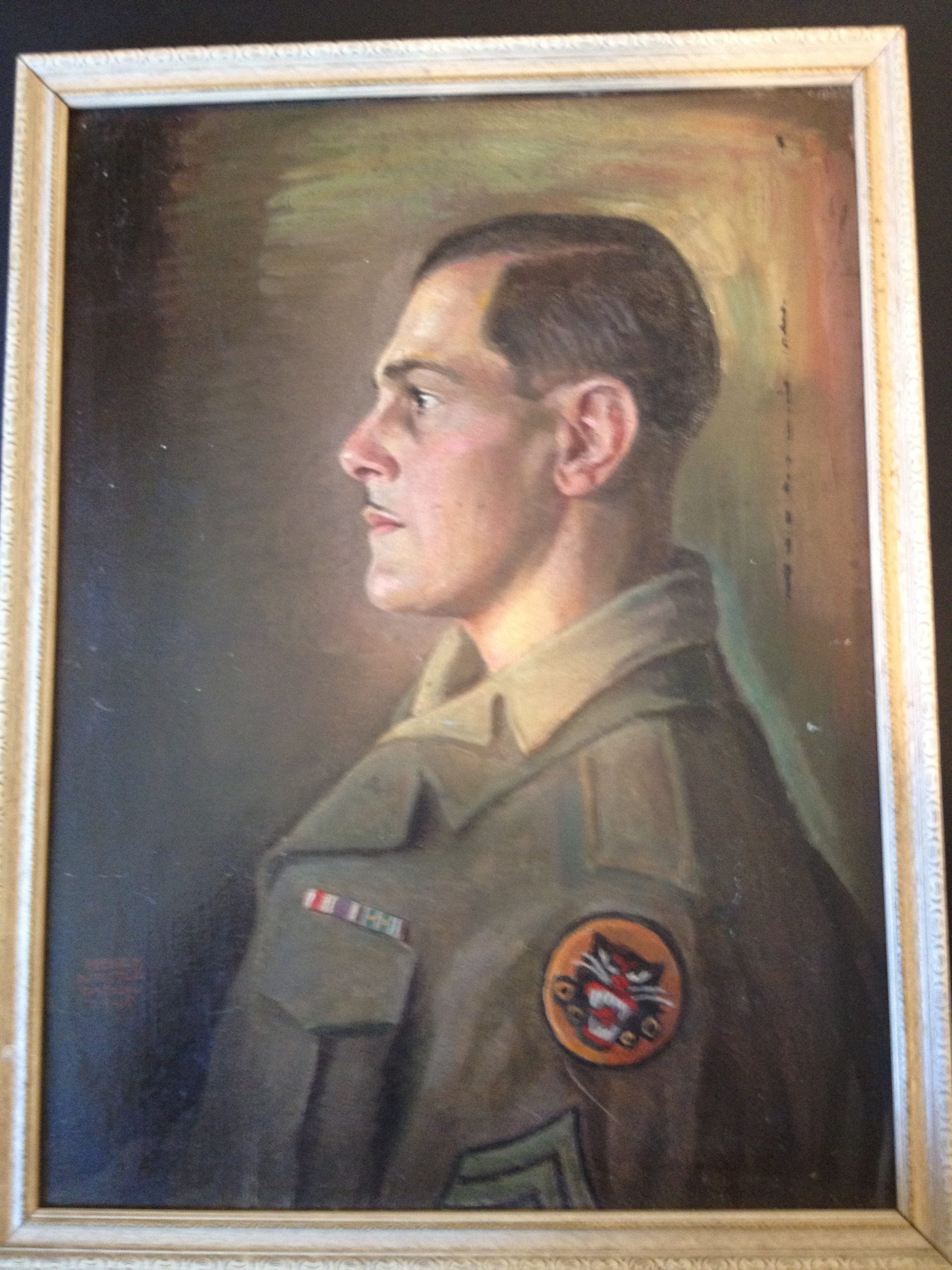
Oil Portrait of Vincent DeMartino 1945
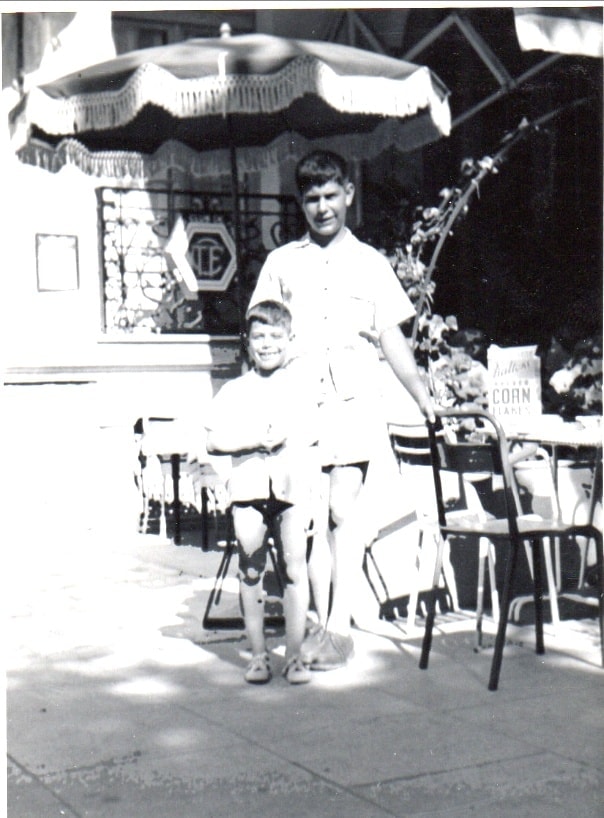
Nick and Rudy, France, 1955
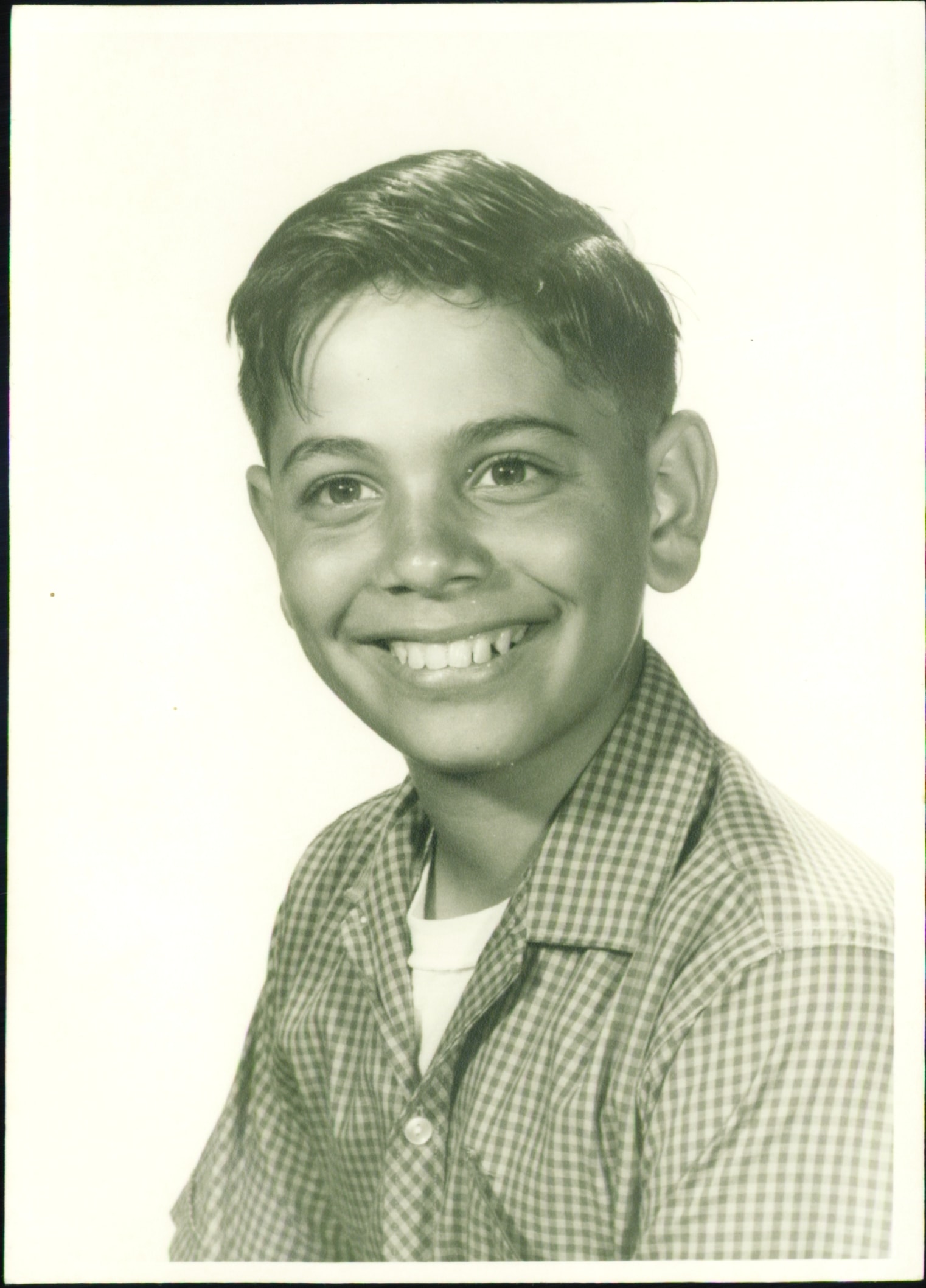
Young Nick, 1956
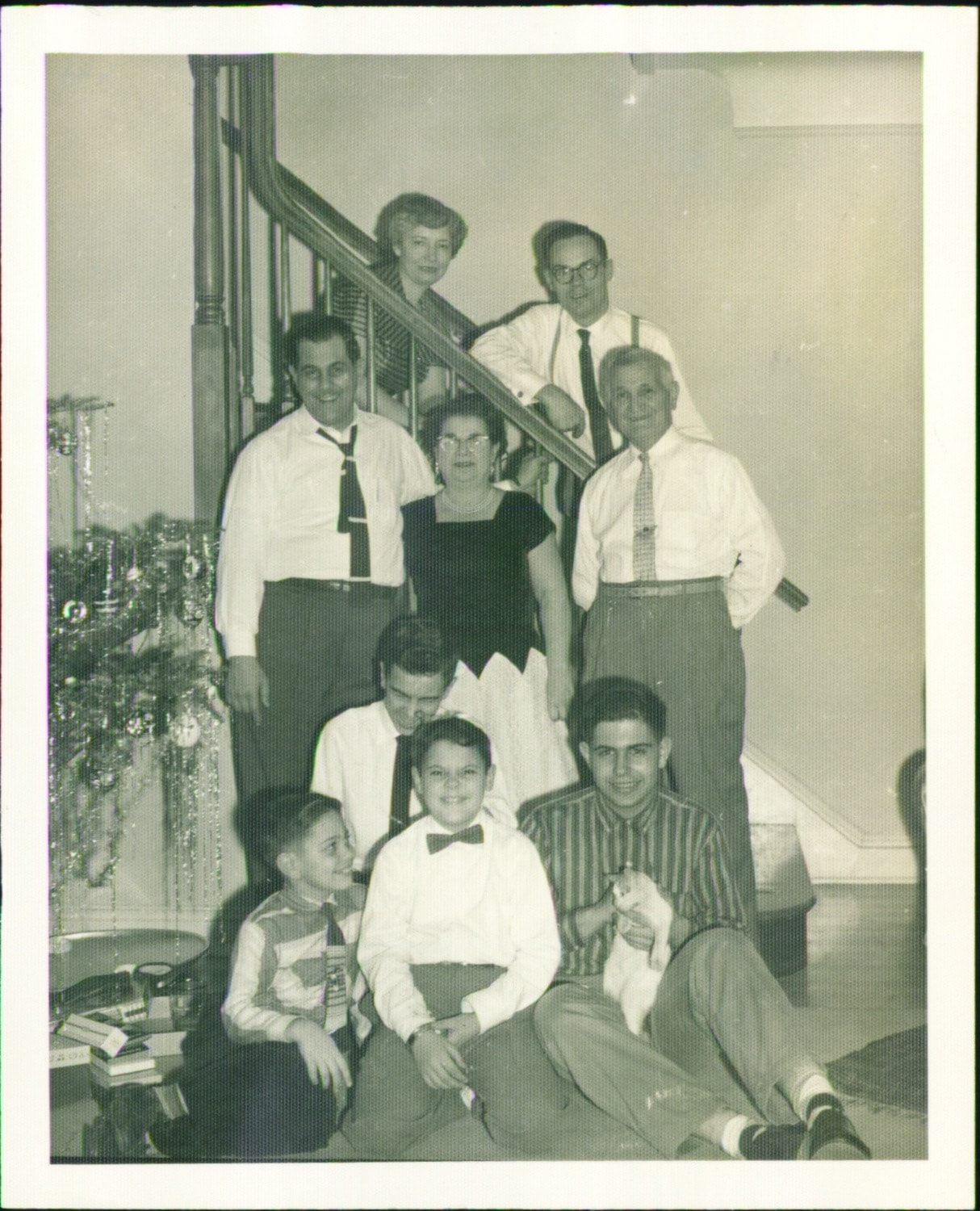
DeMartino family Christmas, Ft. Wadsworth, 1957
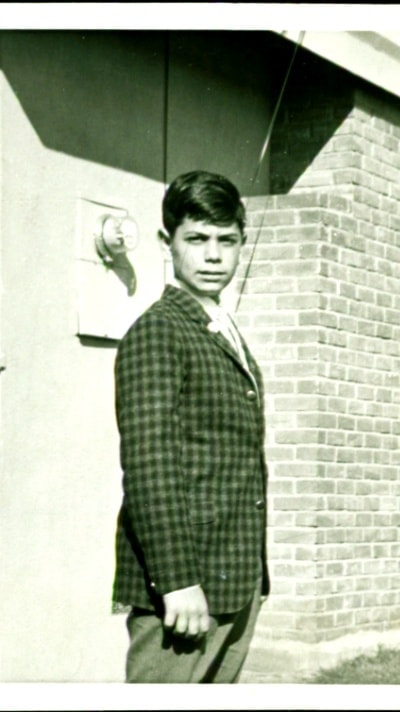
Nick at Easter, Marina CA 1960
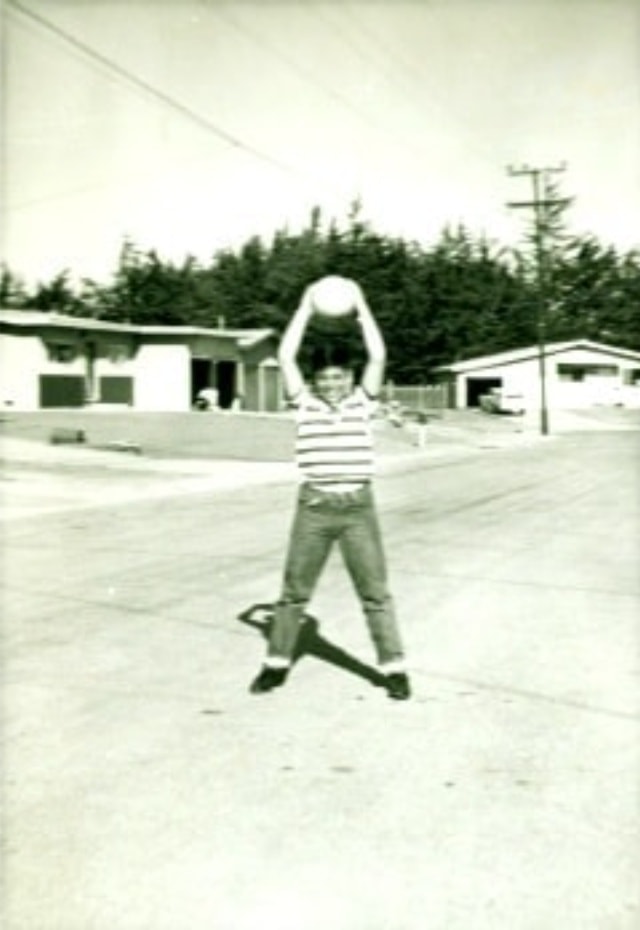
Nick at play, Marina CA 1960
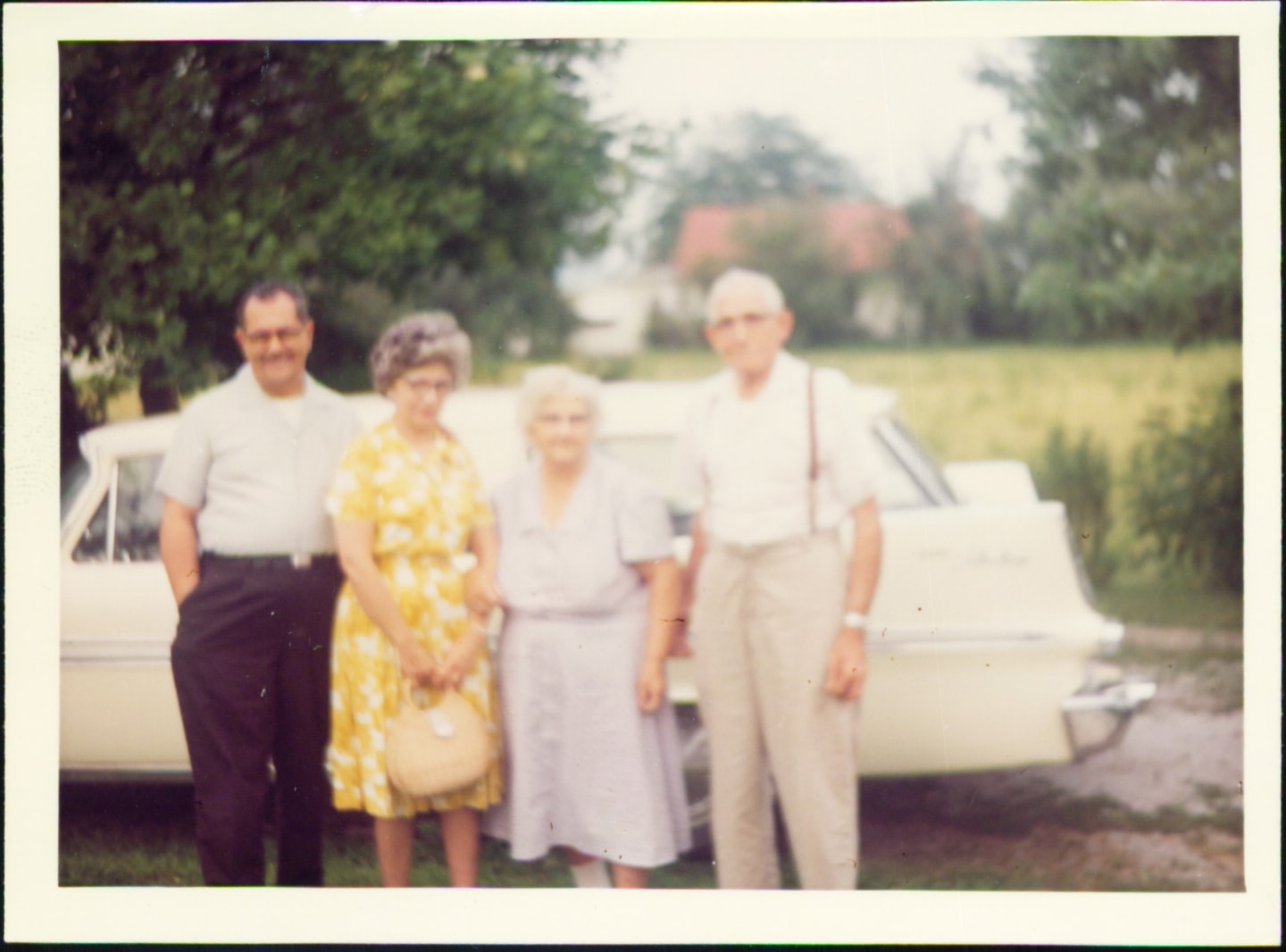
Mom, Dad & my Kentucky grandparents, 1962
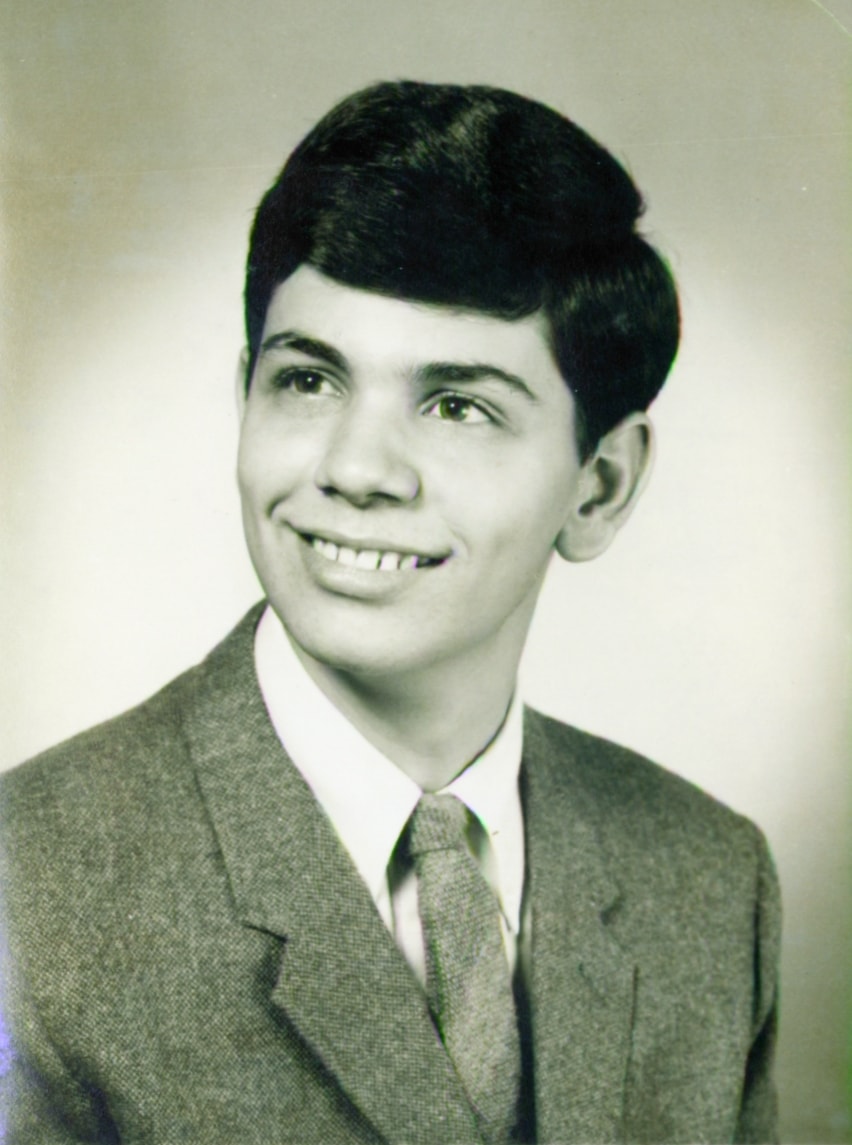
Nick, high school senior portrait, 1966
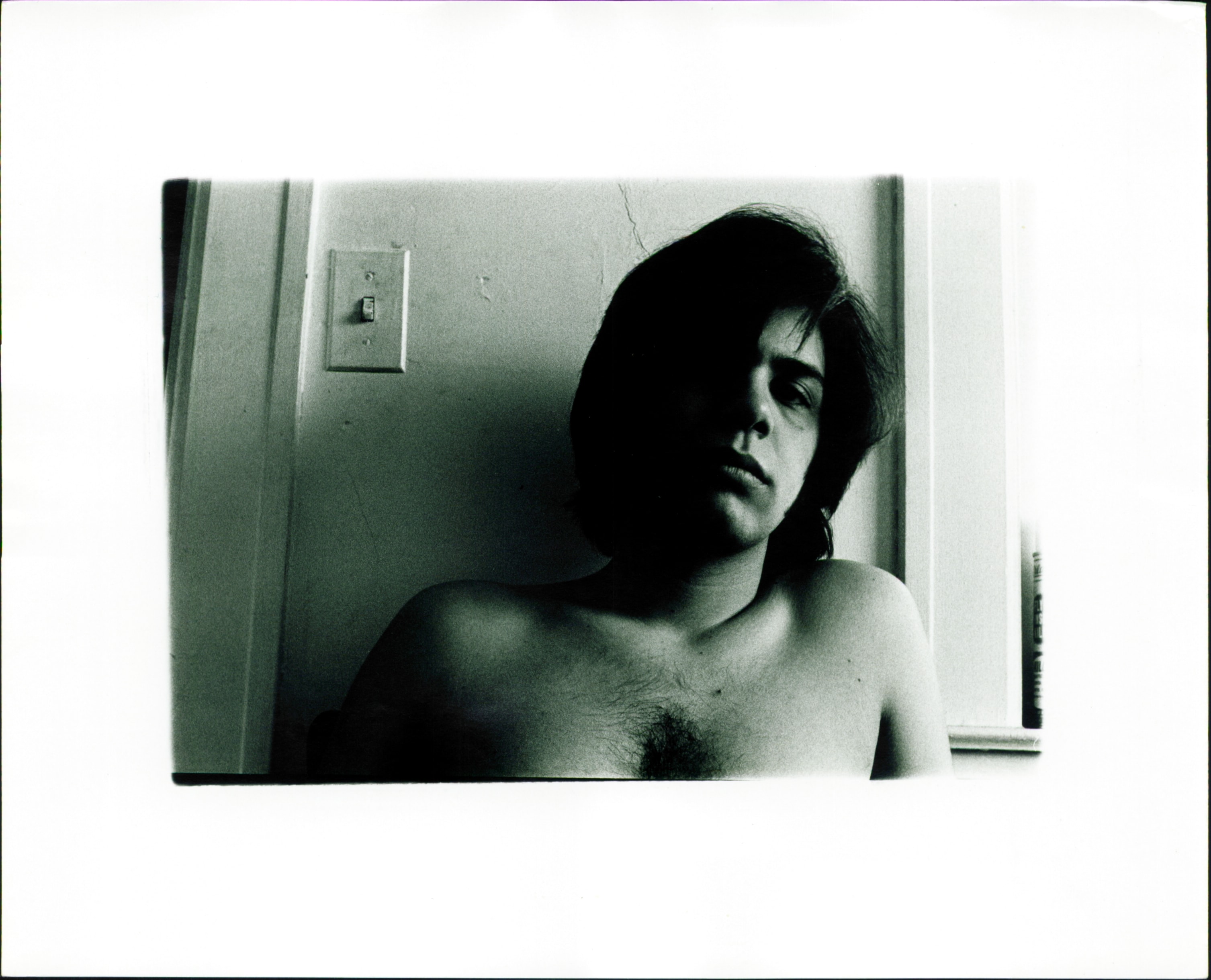
Artsy Nick from photography class, 1970
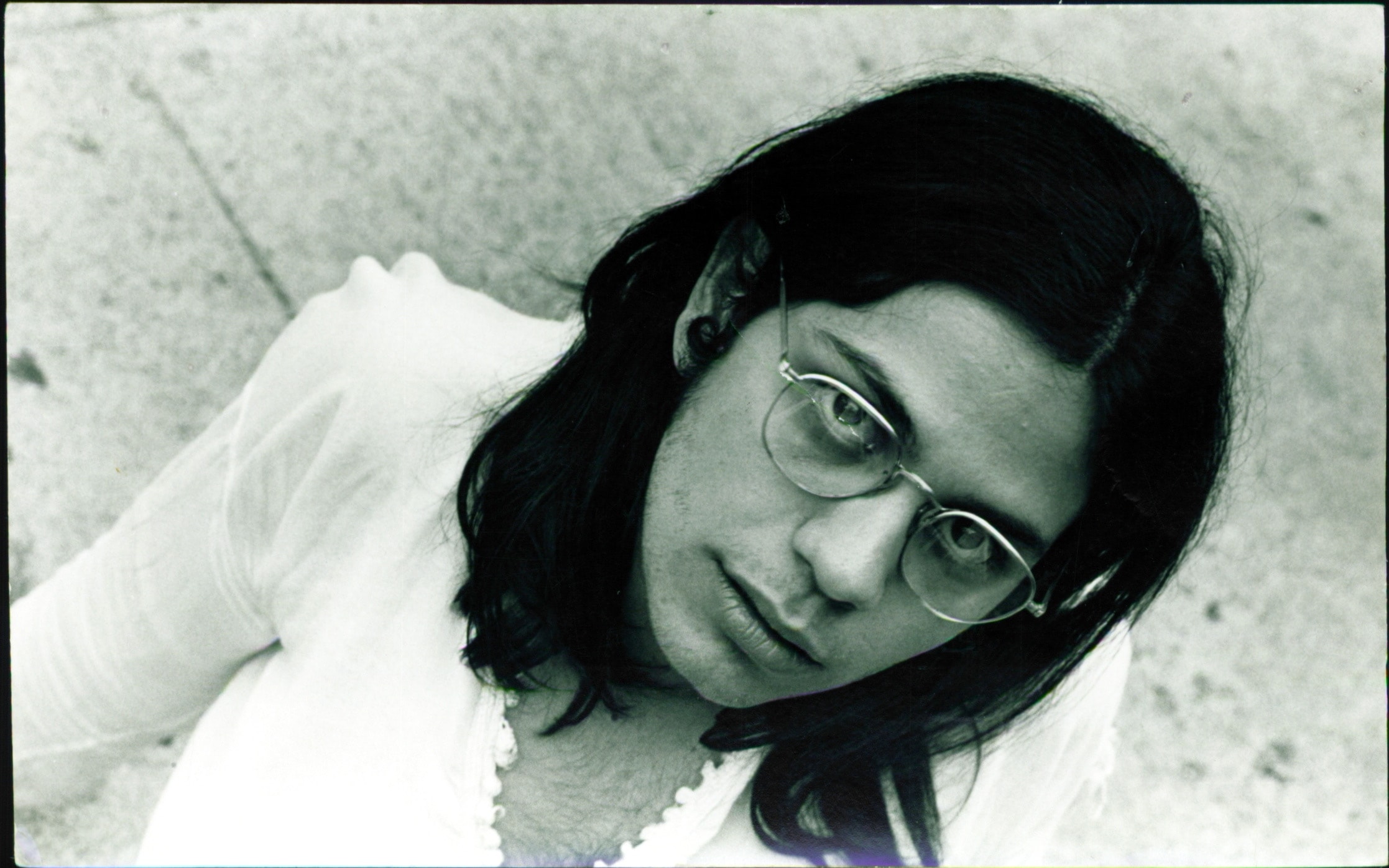
Full hippie Nick, granny glasses and long hair 1971
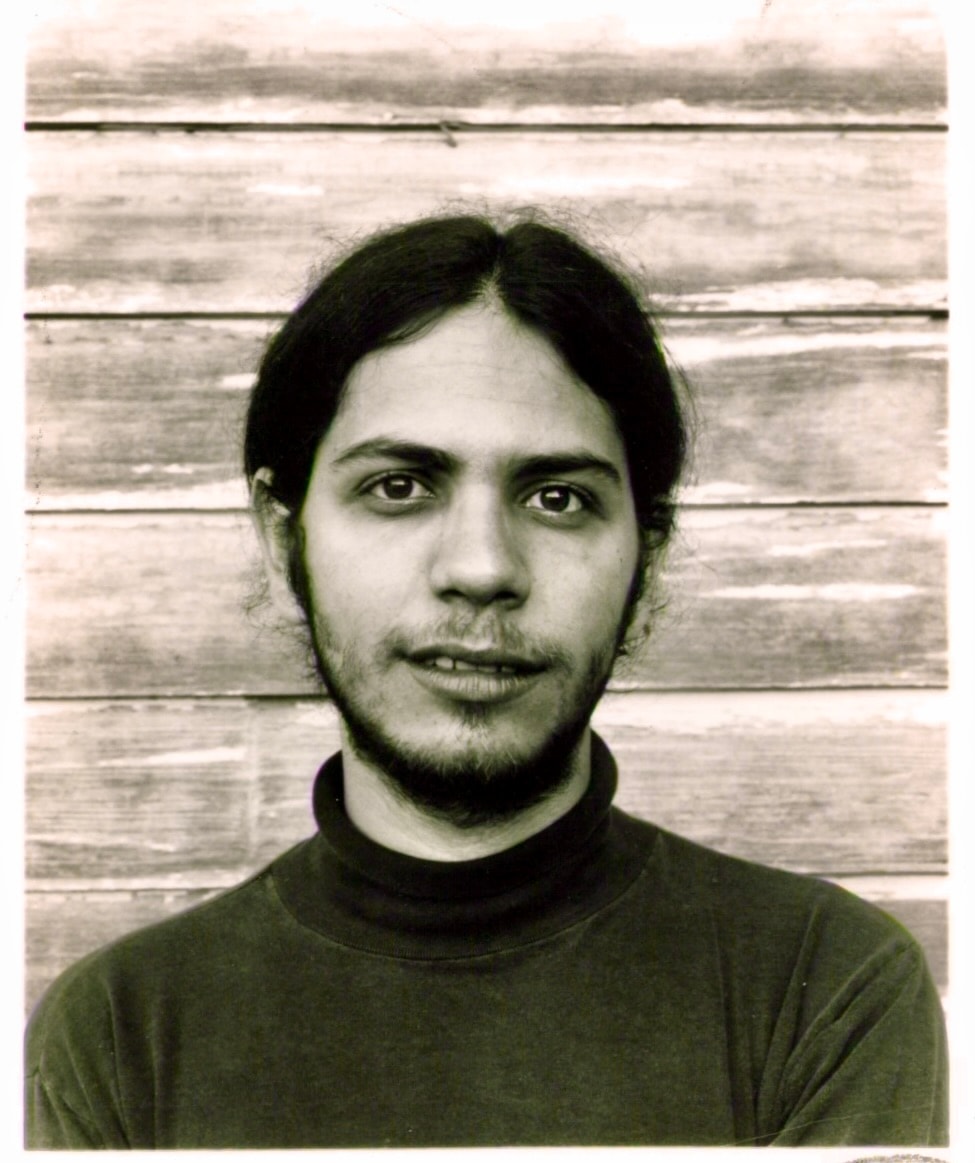
Nick w/braid, 1971
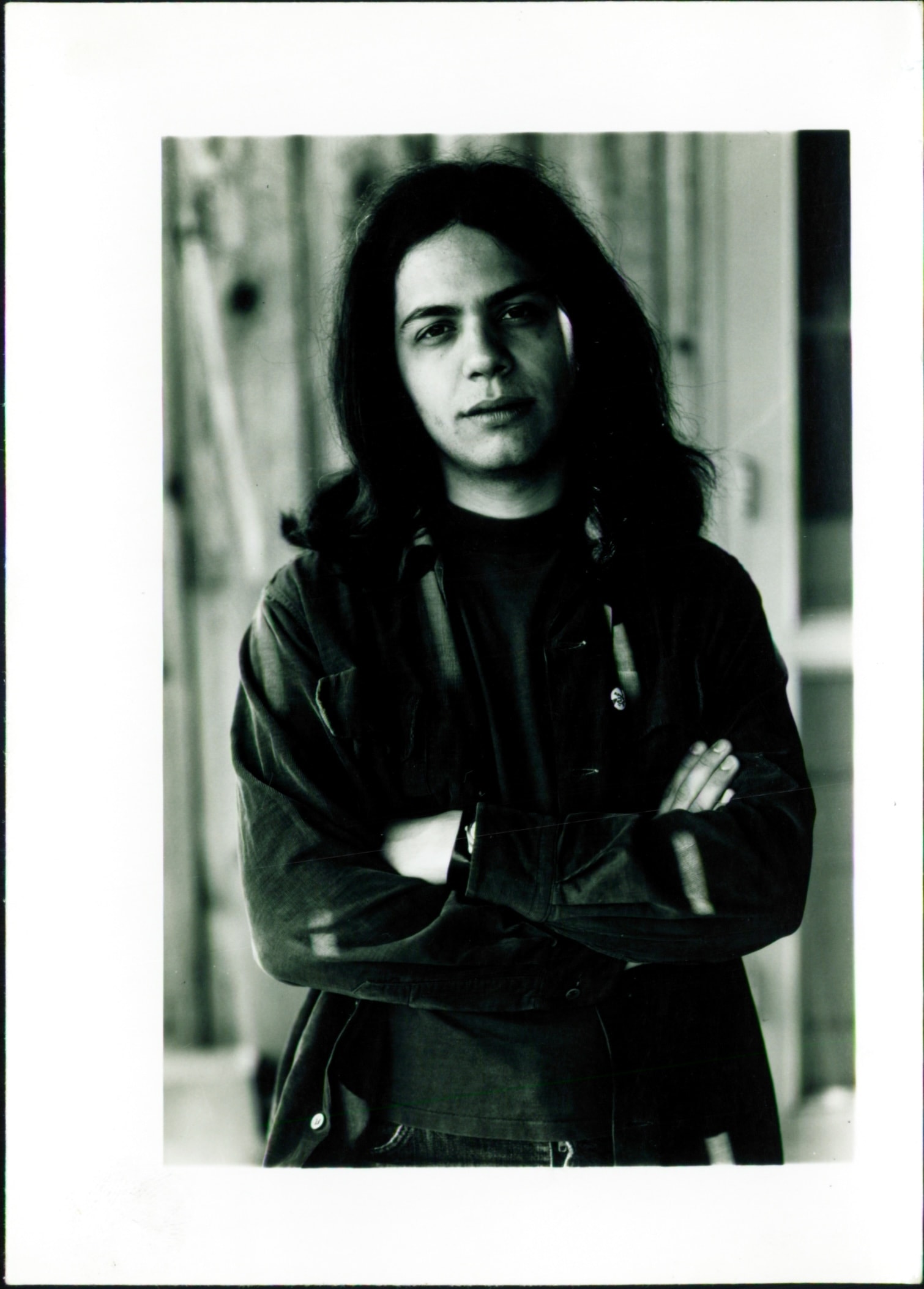
Nick at peak hair, 1972
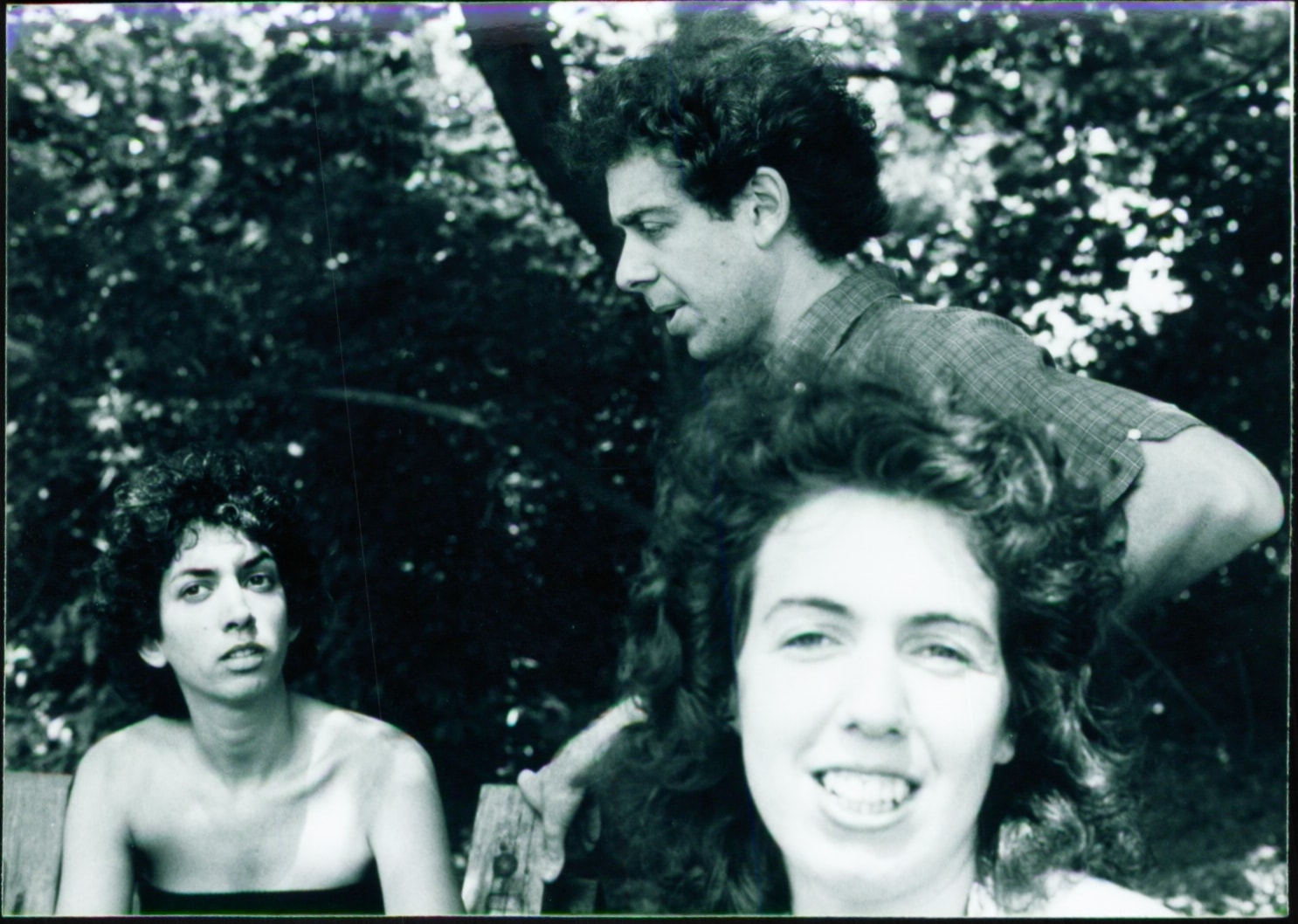
Vicky Costello at group house picnic, 1972
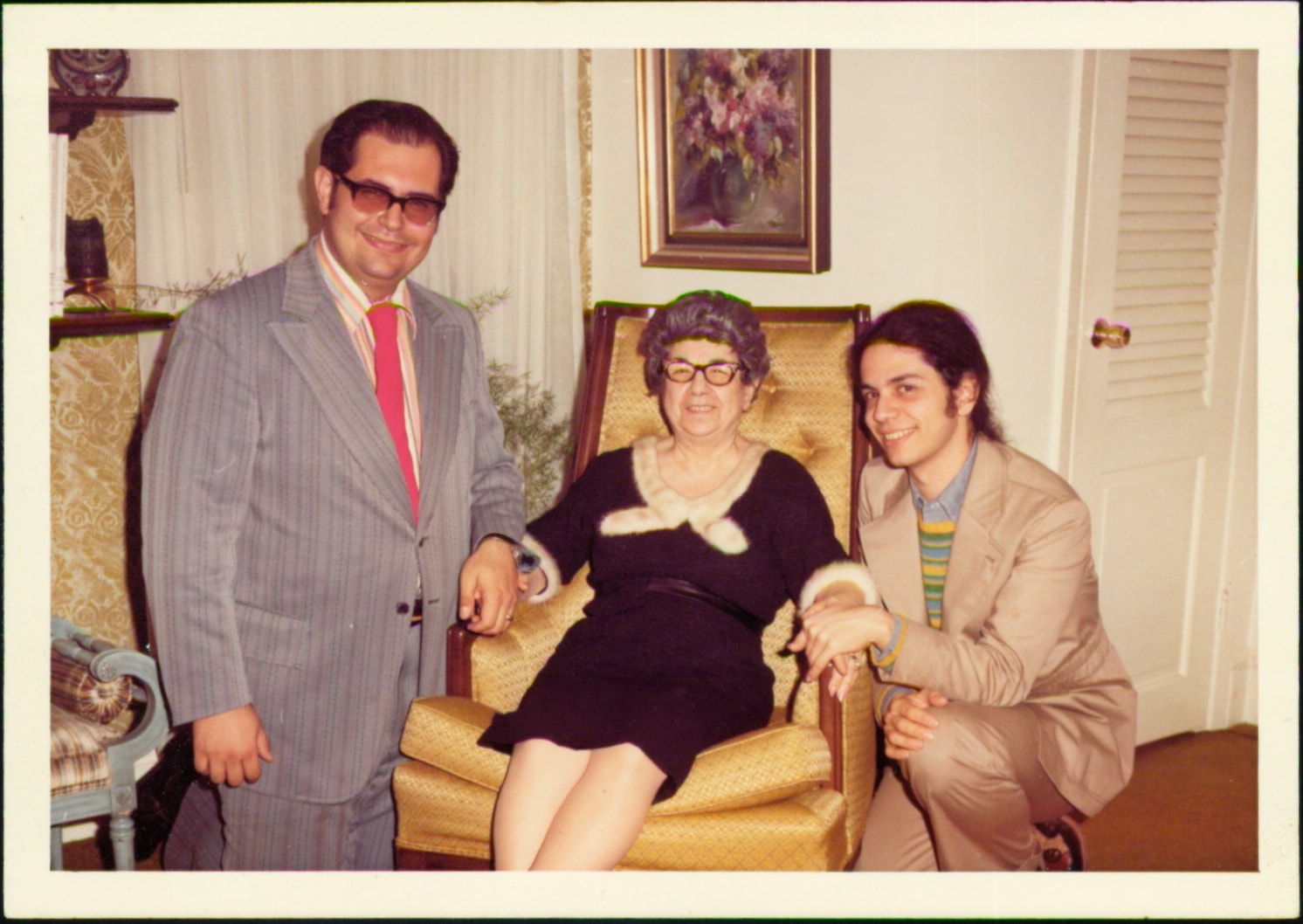
Nick and Vince with Grandma D, 1973
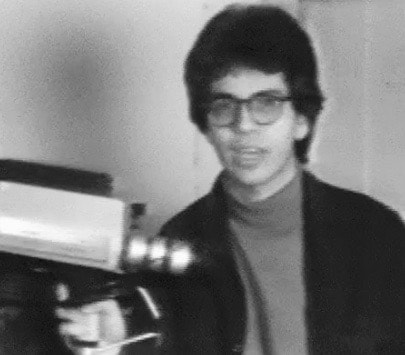
Nick with Portapak, 1974
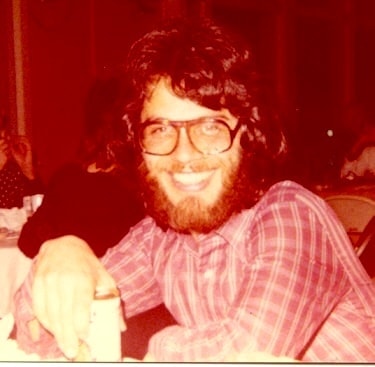
Fuzzy-wuzzy Nick, 1975
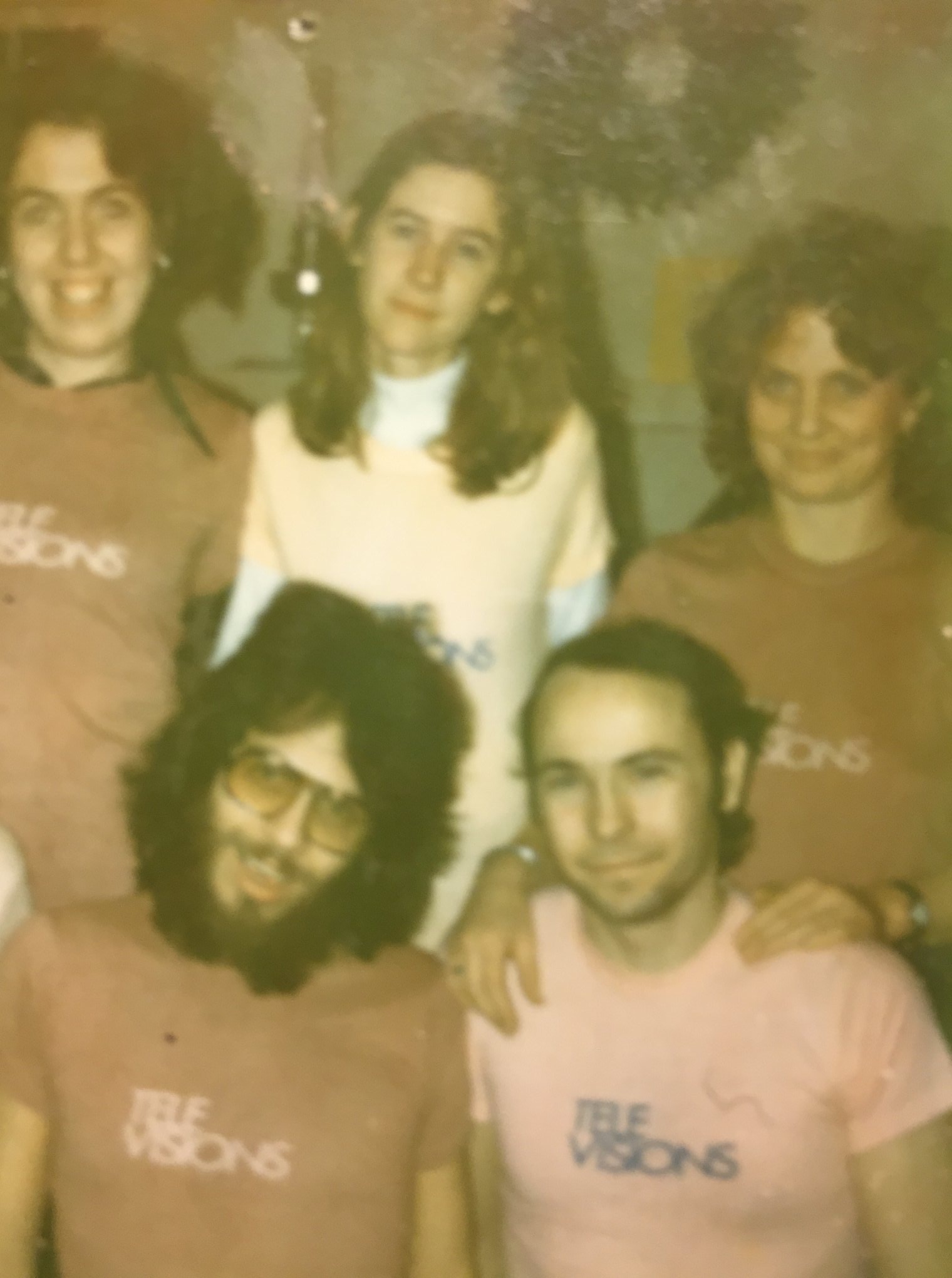
TeleVISIONS crew, front row LtoR Nick & Larry Kirkman; top LtoR, Victoria Costello, Rebecca Moore, Gayle Gibbons, 1975
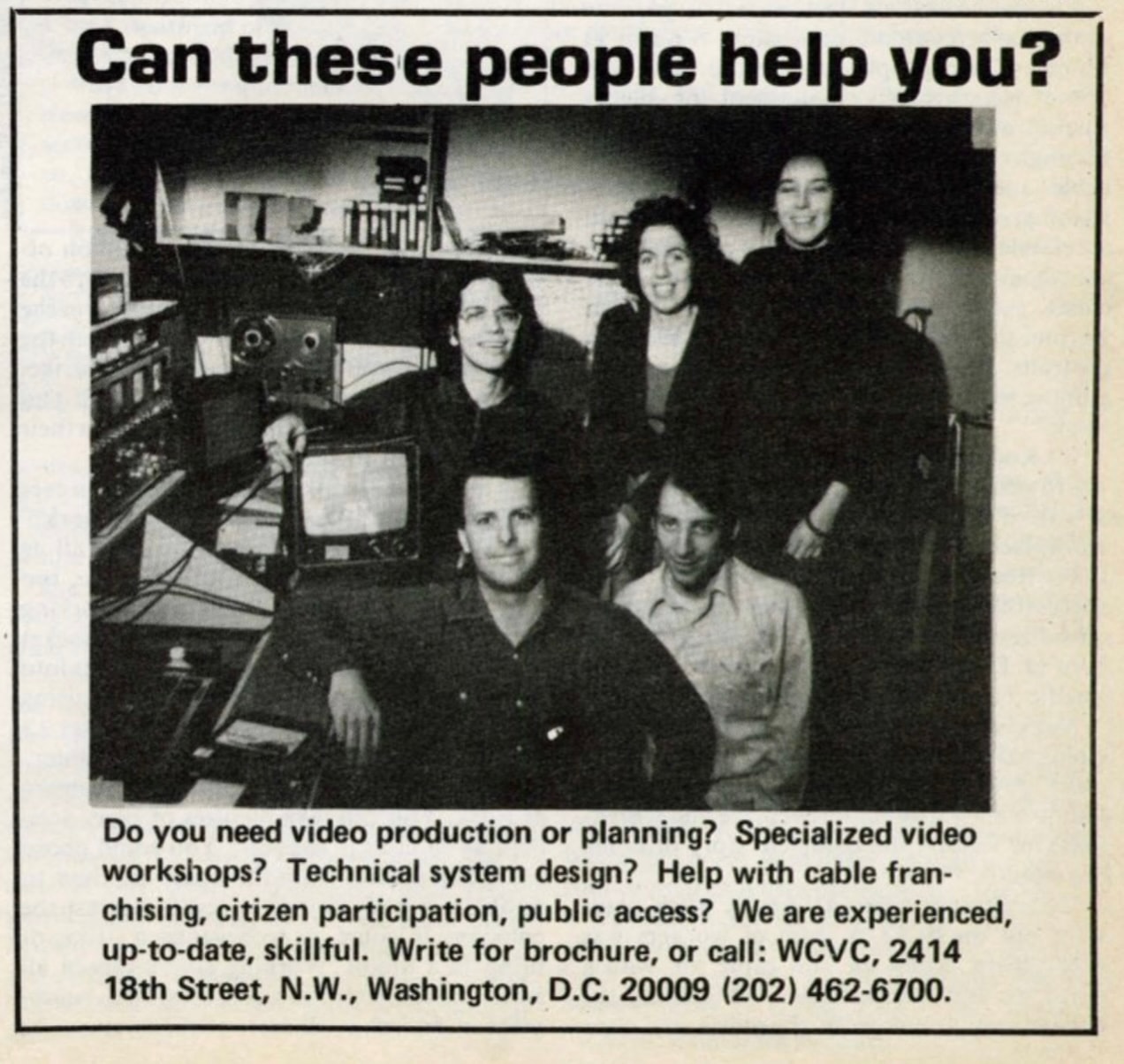
Washington Community Video Center ad, 1976
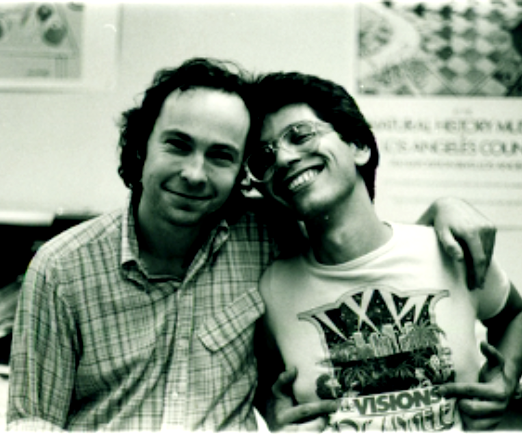
Nick and Larry Kirkman laying out TeleVISIONS, 1976
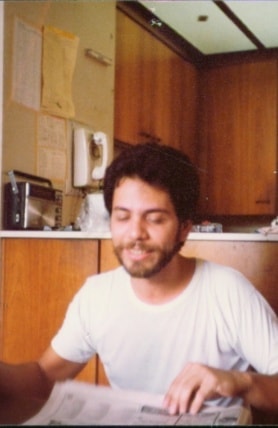
Nick at Wyoming Avenue house, Washington DC, 1976
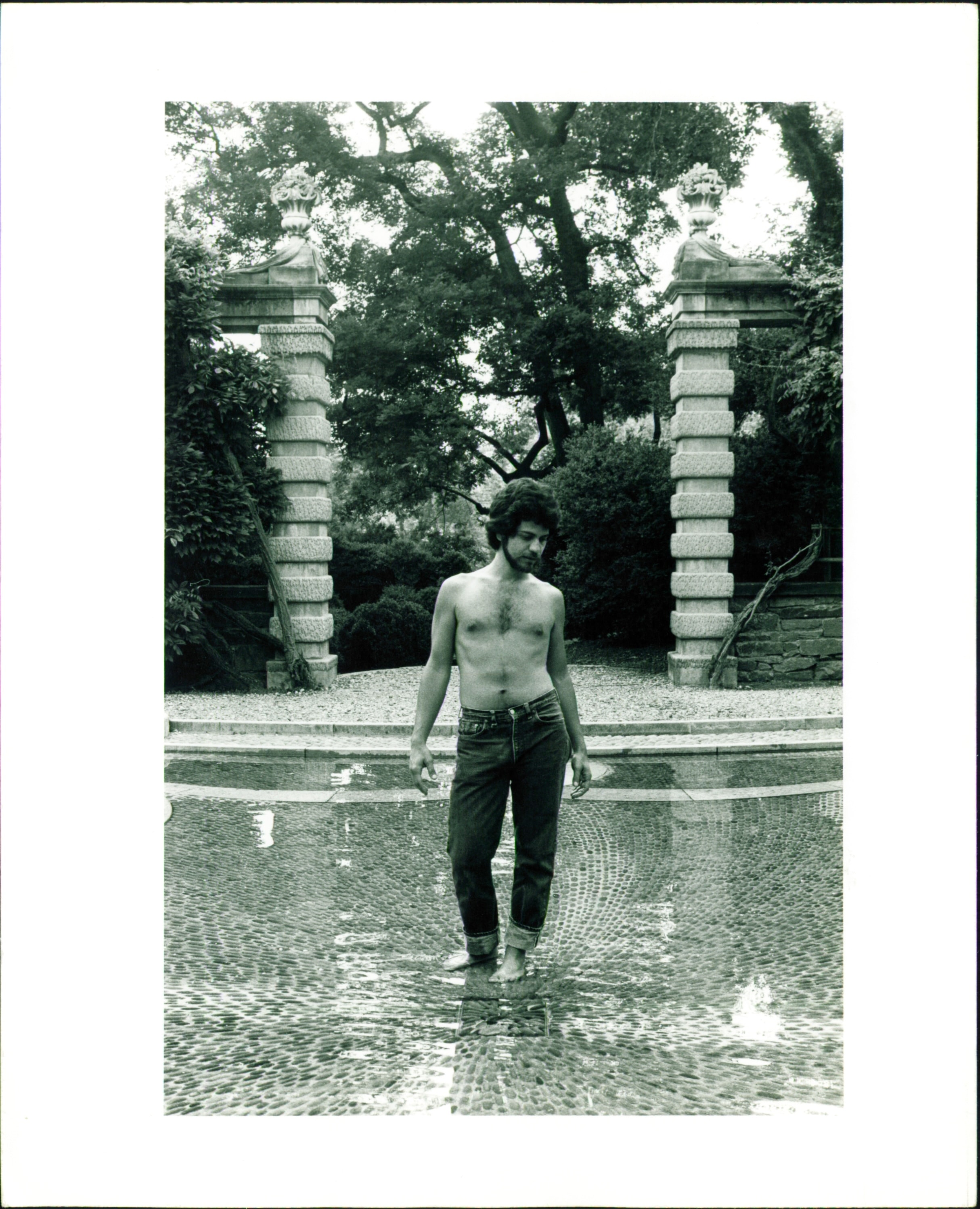
Nick posing, Dumbarton Oaks, Washington DC 1976
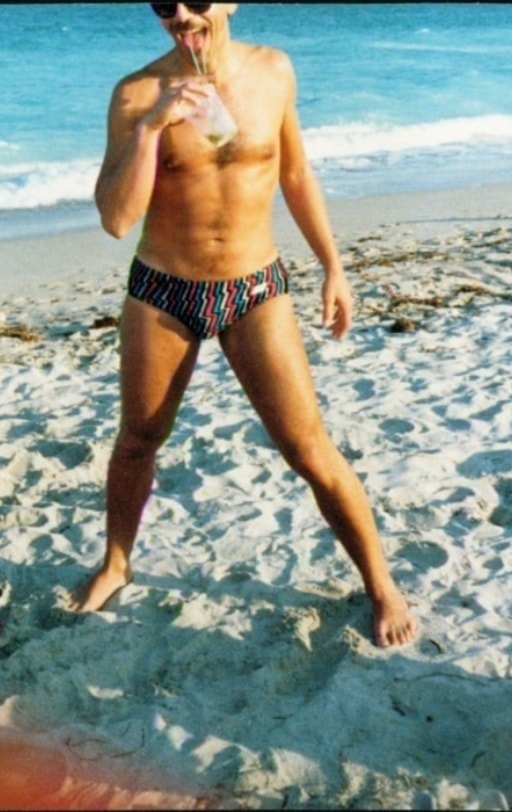
Nick, Sagaponack Beach, 1976
Nick and Philo T. Farnsworth signs, image from "Welcome to Rochester," 1977
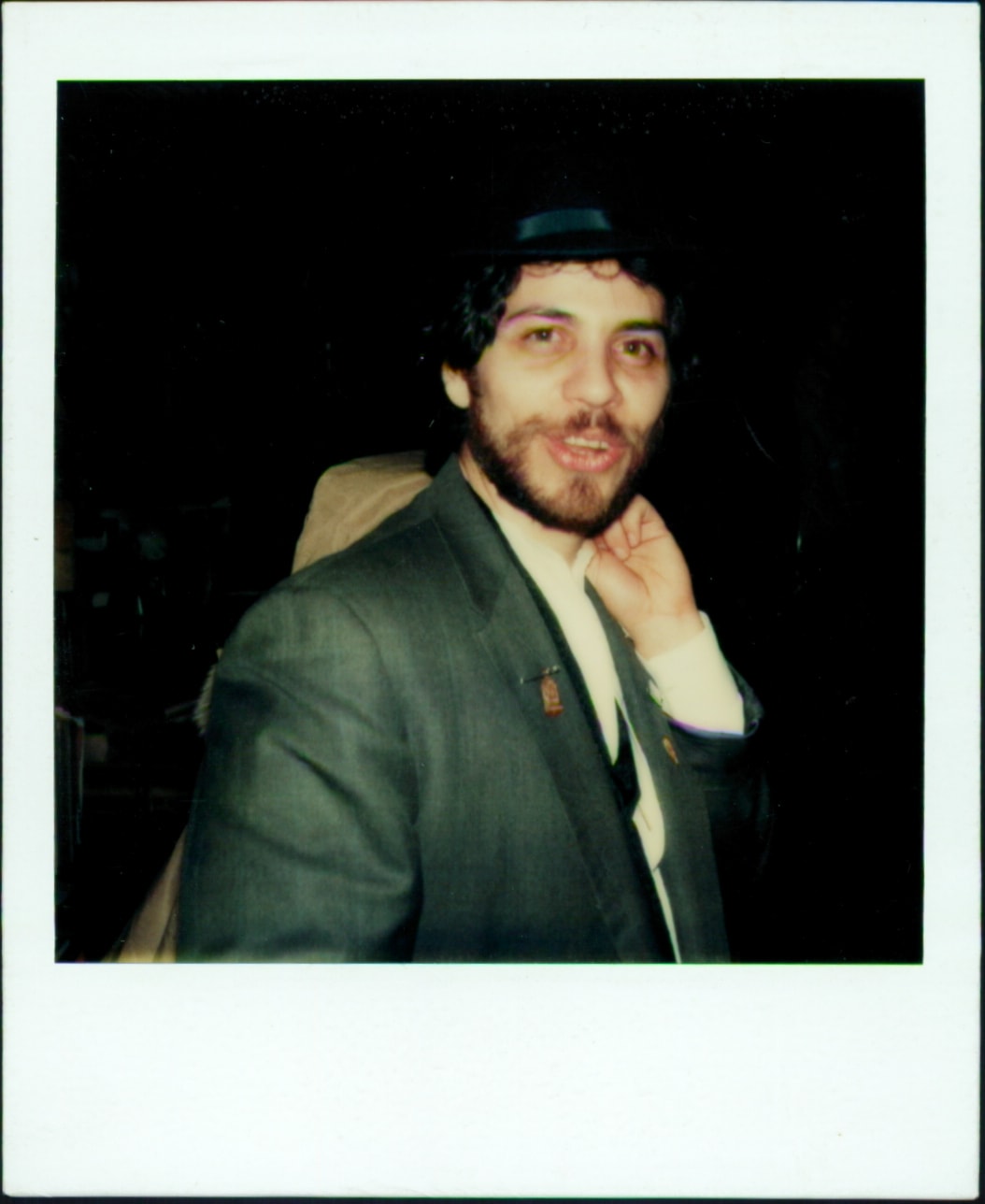
Nick with hat, 1977
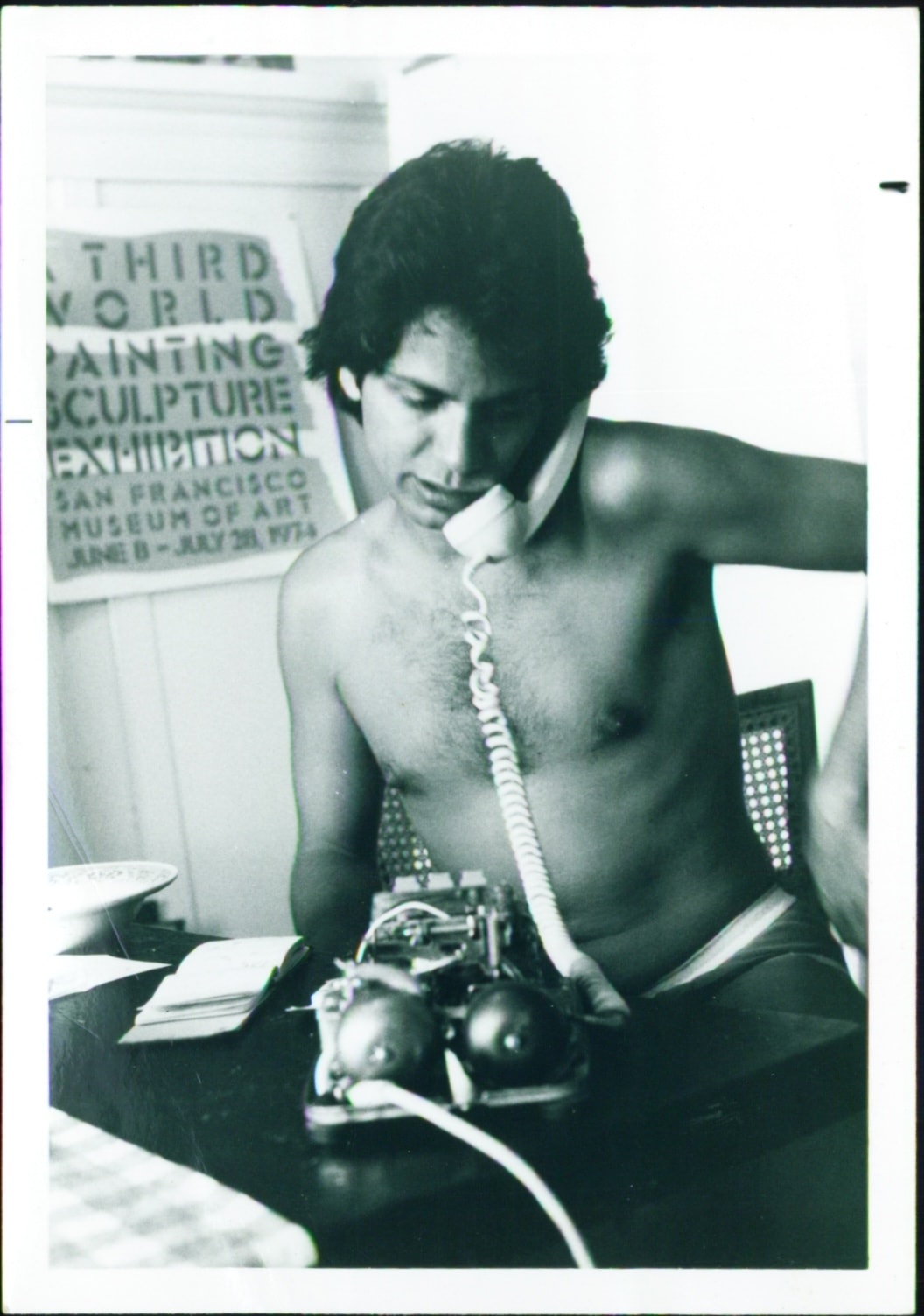
Nick, San Francisco Video Festival judging 1977
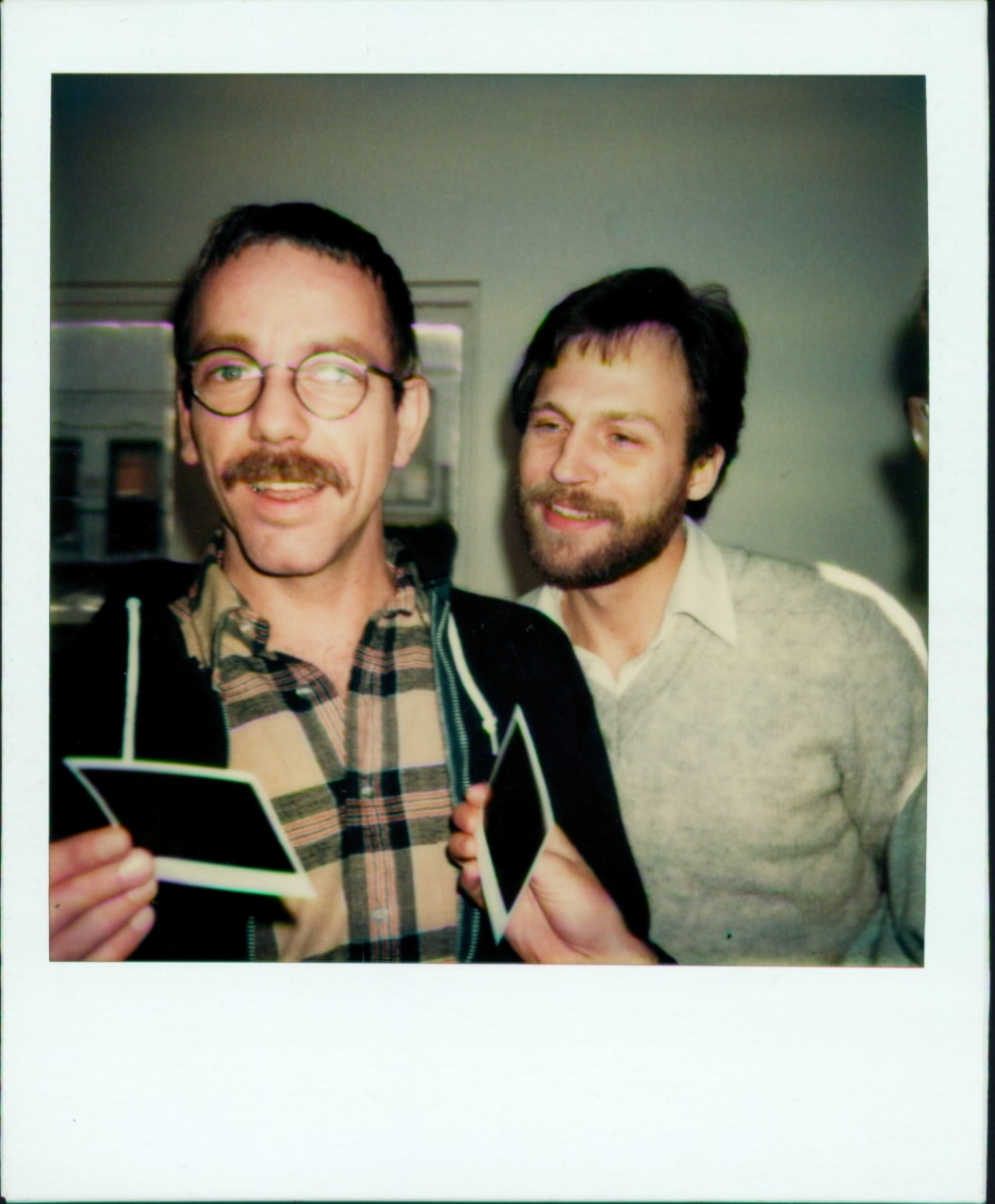
Phil and Donald, 1978
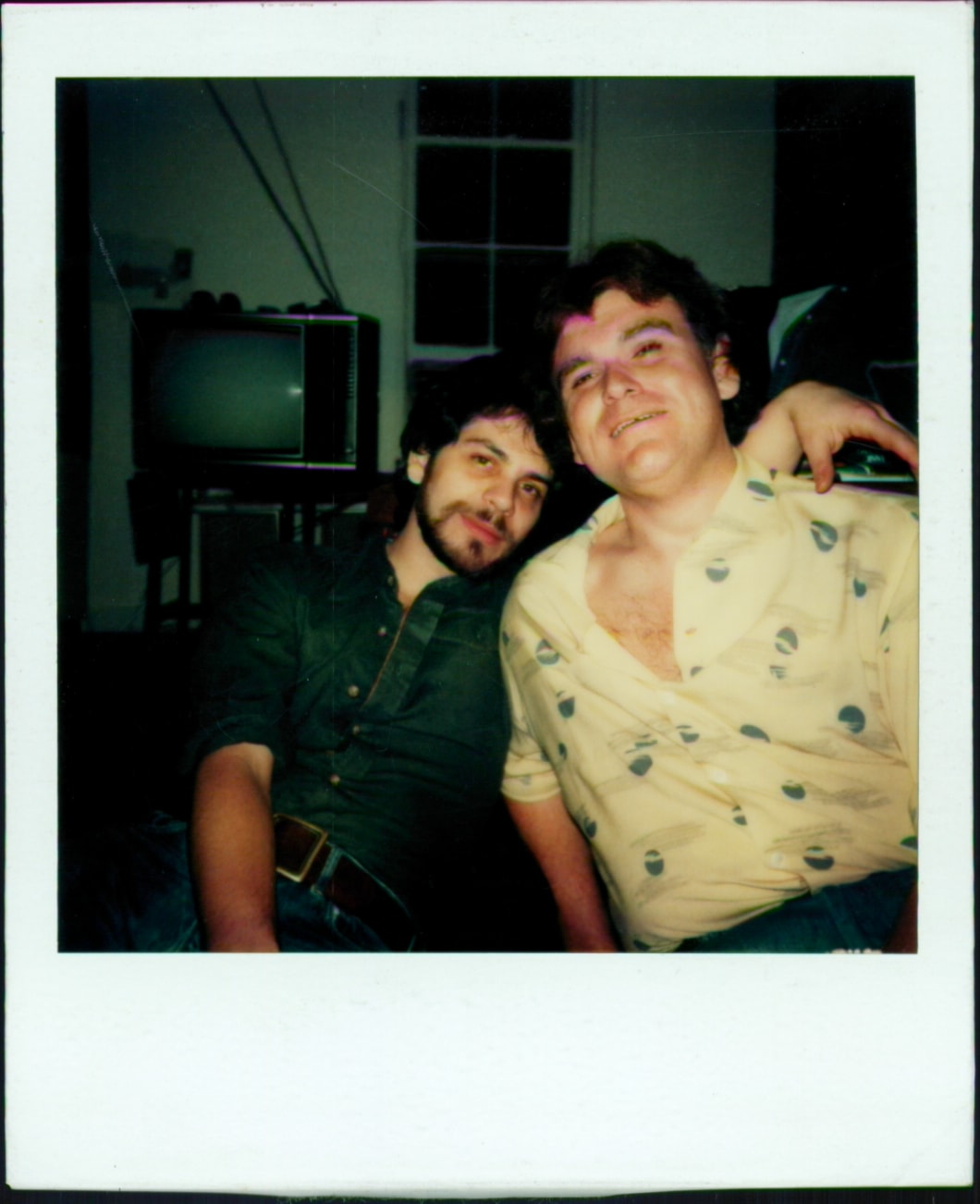
Nick and Rich Starr, Thanksgiving 1978, New York
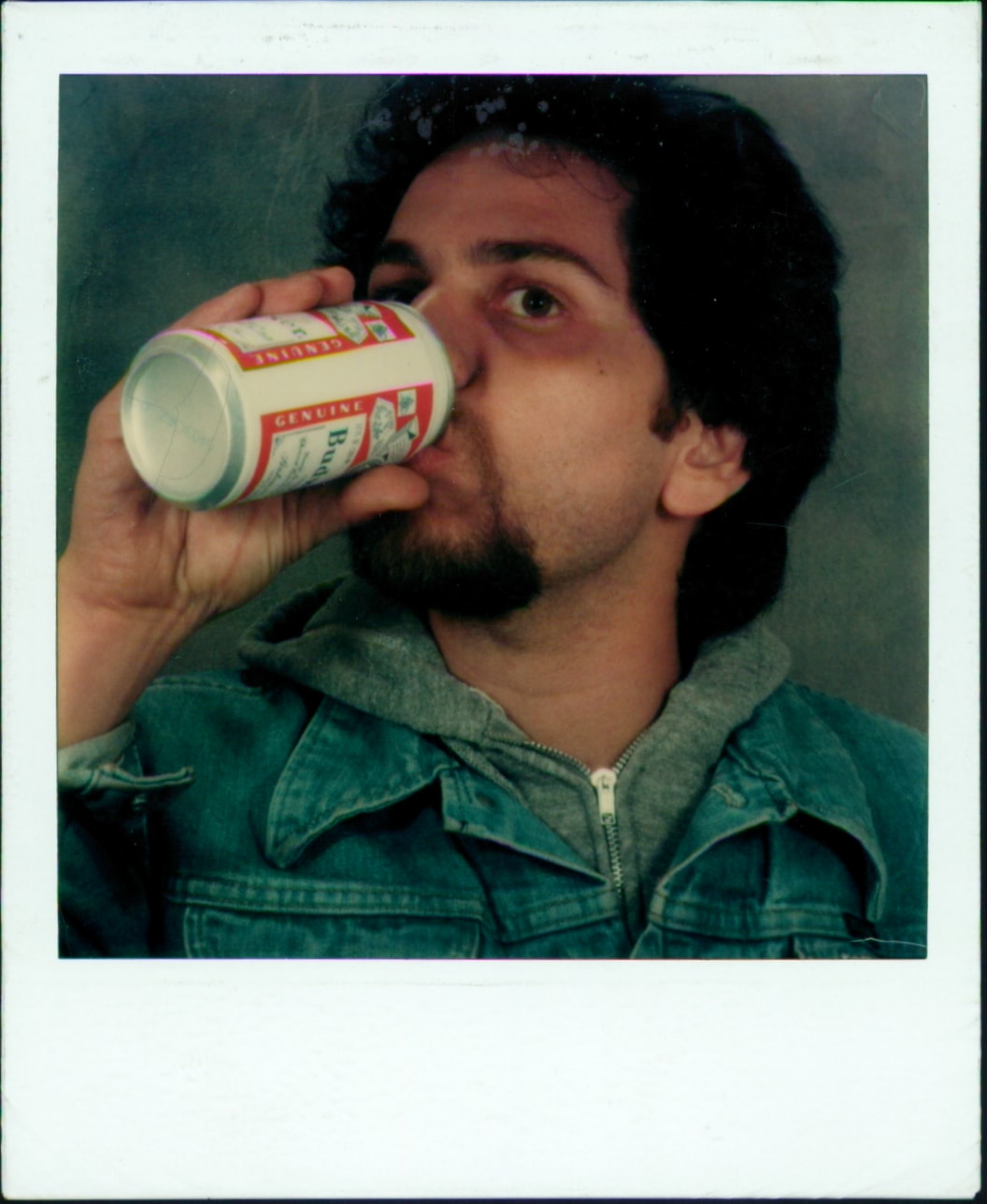
Nick on Venice Beach, 1979
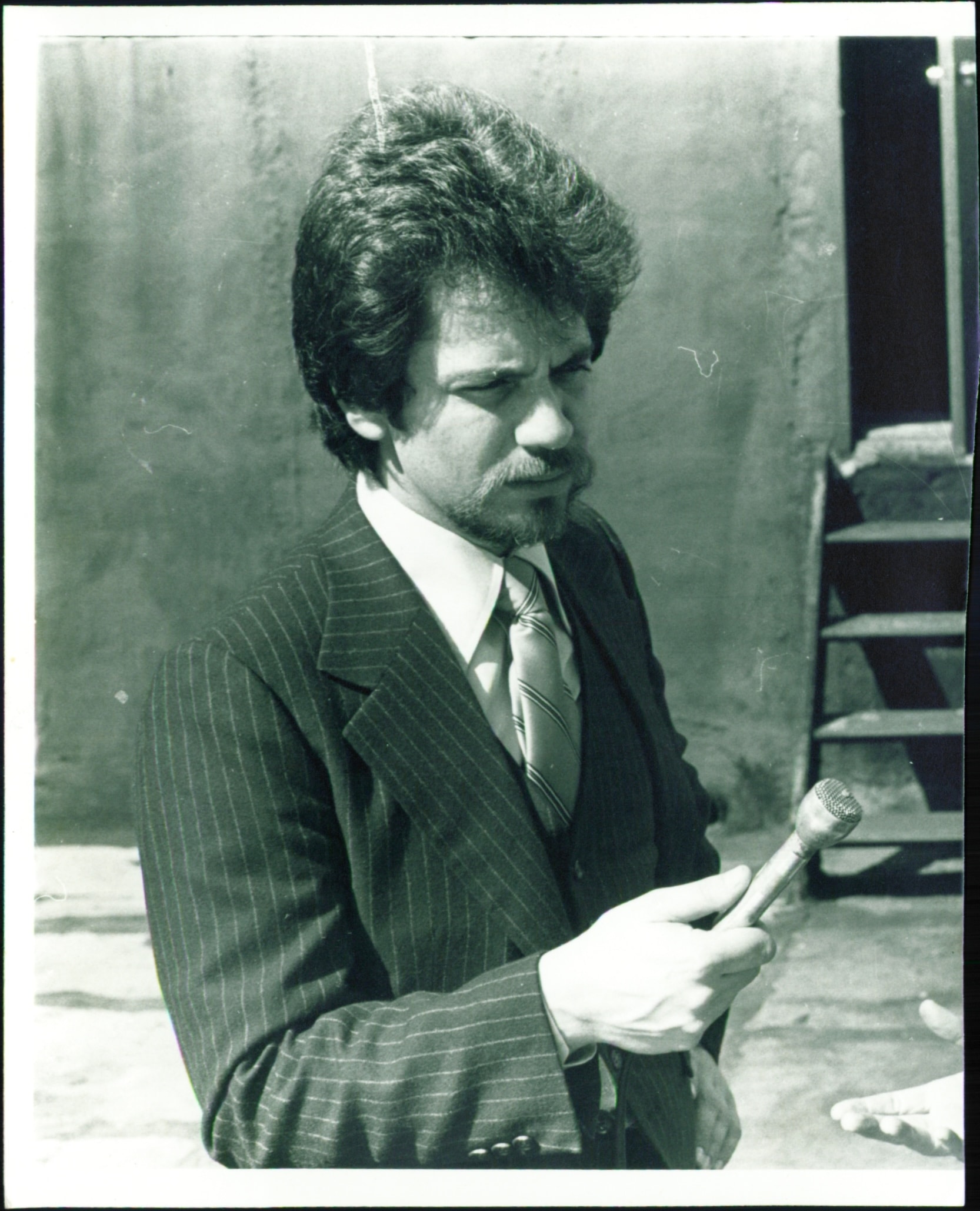
Nick interviewing for segment in "Nuclear Power: The Public Reaction" 1979
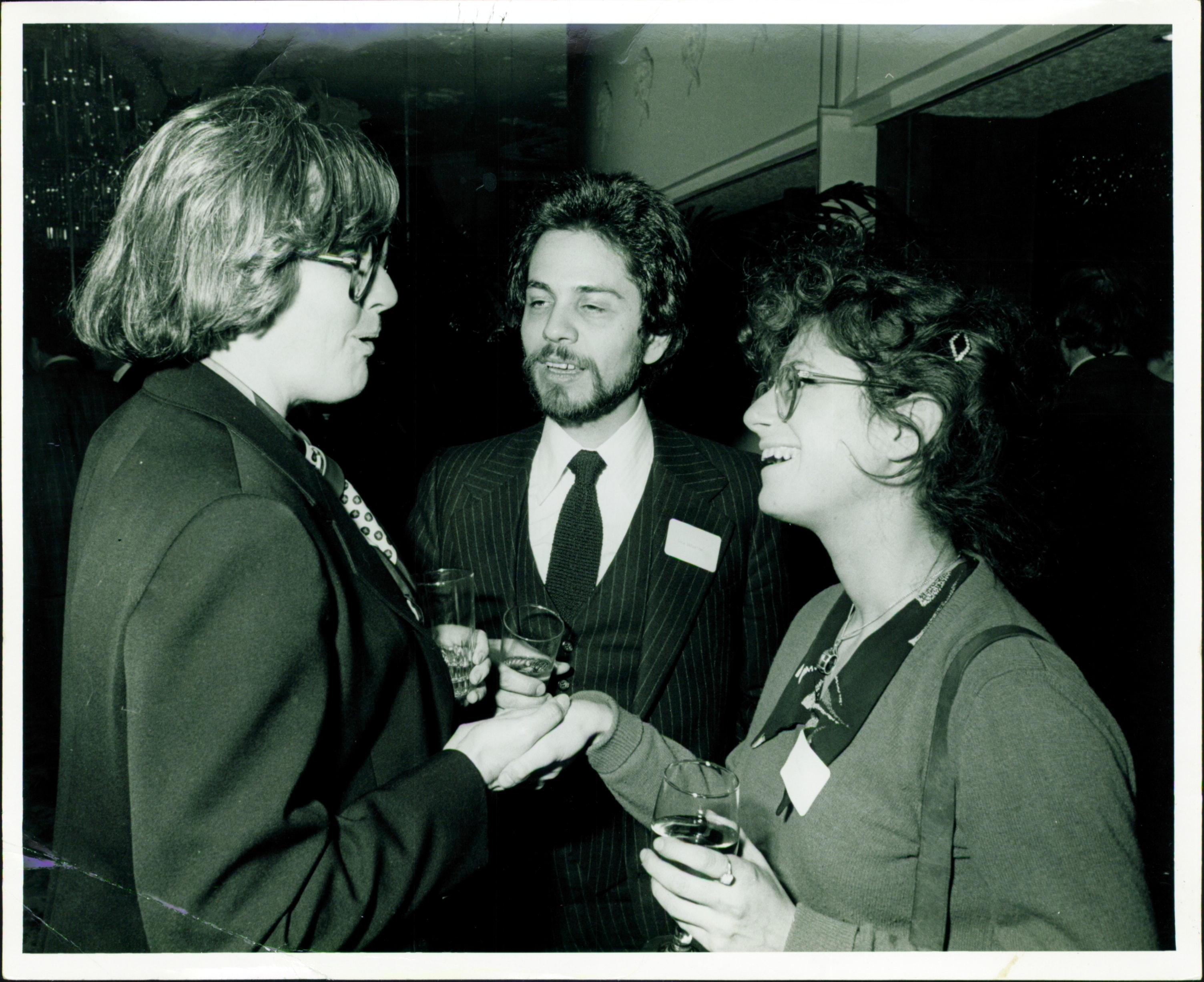
Bleary-eyed Nick at Carnegie Commission reception with Sheila Mahony, Maxi Cohen, 1981
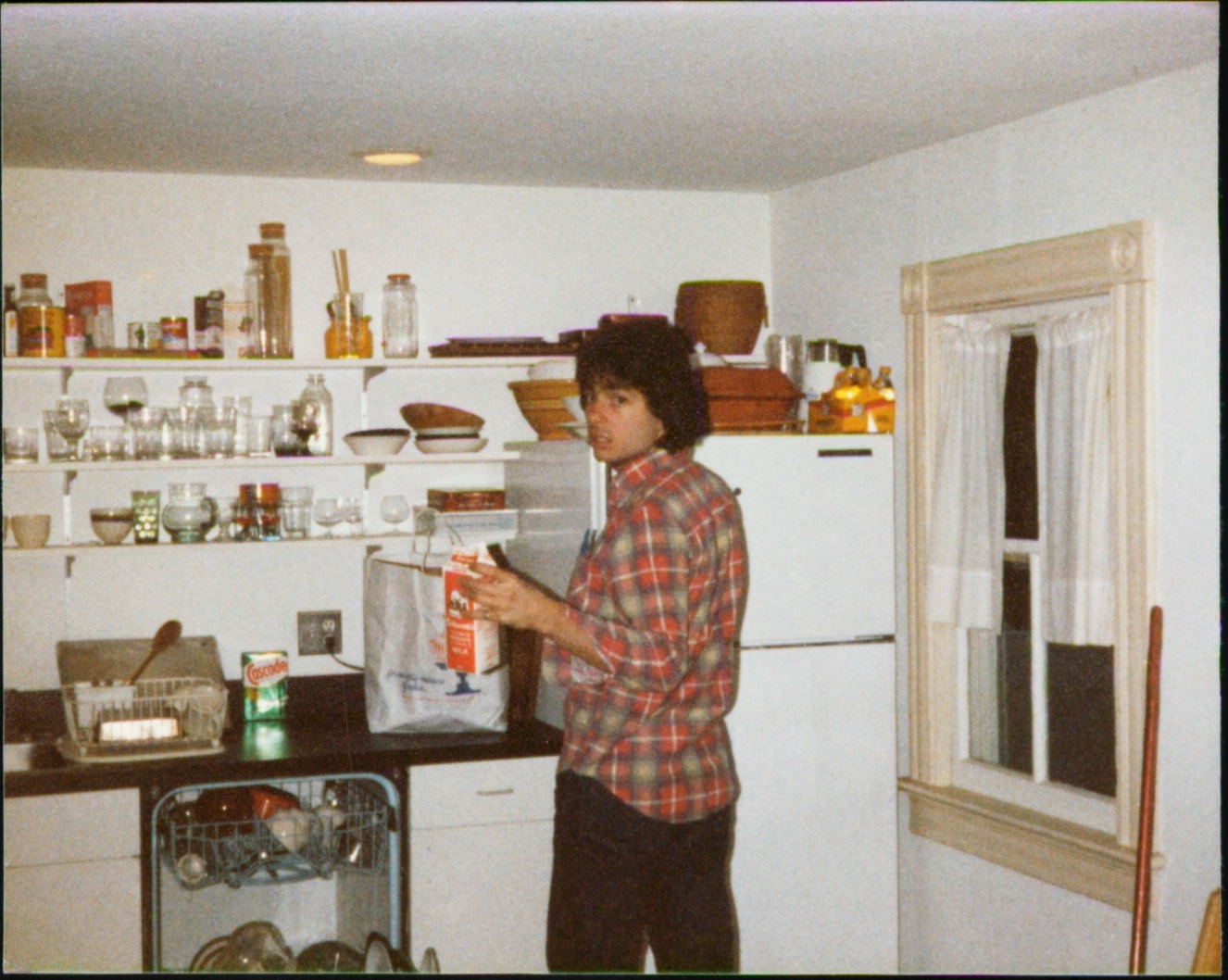
Paul, Sag Harbor bungalow, 1980
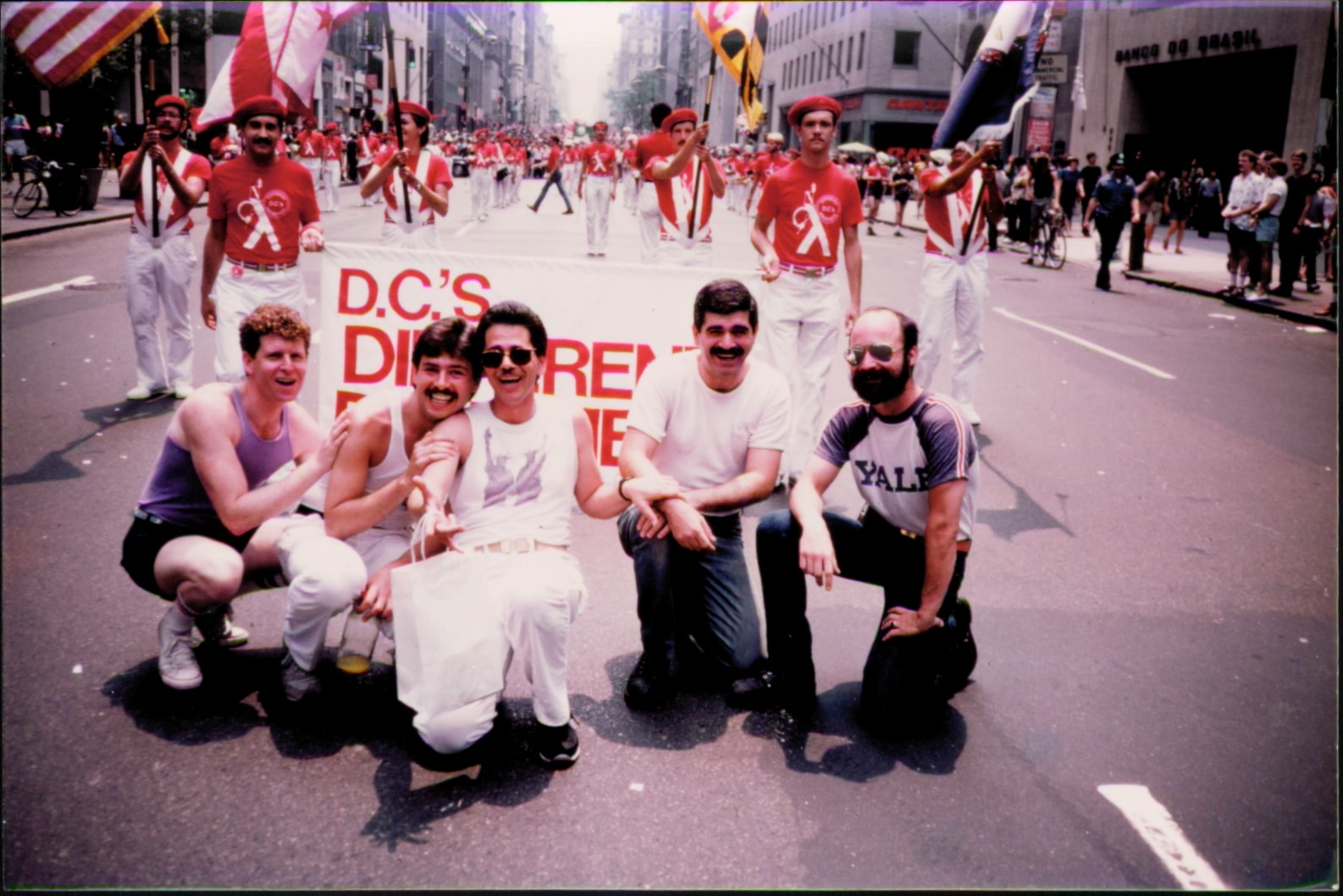
NY Gay Pride with Paul and friends, 1981
Nick on E. 44th St, 1980
Oil Portrait of Vincent DeMartino 1945
Nick and Rudy, France, 1955
Young Nick, 1956
DeMartino family Christmas, Ft. Wadsworth, 1957
Nick at Easter, Marina CA 1960
Nick at play, Marina CA 1960
Mom, Dad & my Kentucky grandparents, 1962
Nick, high school senior portrait, 1966
Artsy Nick from photography class, 1970
Full hippie Nick, granny glasses and long hair 1971
Nick w/braid, 1971
Nick at peak hair, 1972
Vicky Costello at group house picnic, 1972
Nick and Vince with Grandma D, 1973
Nick with Portapak, 1974
Fuzzy-wuzzy Nick, 1975
TeleVISIONS crew, front row LtoR Nick & Larry Kirkman; top LtoR, Victoria Costello, Rebecca Moore, Gayle Gibbons, 1975
Washington Community Video Center ad, 1976
Nick and Larry Kirkman laying out TeleVISIONS, 1976
Nick at Wyoming Avenue house, Washington DC, 1976
Nick posing, Dumbarton Oaks, Washington DC 1976
Nick, Sagaponack Beach, 1976
Nick and Philo T. Farnsworth signs, image from "Welcome to Rochester," 1977
Nick with hat, 1977
Nick, San Francisco Video Festival judging 1977
Phil and Donald, 1978
Nick and Rich Starr, Thanksgiving 1978, New York
Nick on Venice Beach, 1979
Nick interviewing for segment in "Nuclear Power: The Public Reaction" 1979
Bleary-eyed Nick at Carnegie Commission reception with Sheila Mahony, Maxi Cohen, 1981
Paul, Sag Harbor bungalow, 1980
NY Gay Pride with Paul and friends, 1981
Nick on E. 44th St, 1980